
Kitchen appliances guide — that’s probably what brought you here.
And honestly, choosing kitchen appliances today feels overwhelming. There are too many brands, too many features, and way too many reviews saying opposite things.
When I bought my first air fryer, I thought I was making a simple decision. I ended up spending three nights comparing wattage, basket size, presets, and customer complaints. It shouldn’t be this complicated.
So this kitchen appliances guide is written for real people. Not chefs. Not influencers. Just regular homeowners who want reliable appliances without regret.
Let’s simplify everything.
Why Choosing the Right Kitchen Appliances Matters
The kitchen is not just another room. It’s where mornings start. It’s where late-night snacks happen. It’s where guests somehow always gather.
Good kitchen appliances save time.
Bad ones waste money and counter space.
A poor decision means:
- Food cooks unevenly
- Electricity bills rise
- Repairs happen too soon
- You stop enjoying cooking
And that’s why following a proper kitchen appliances guide makes sense before buying anything.
Step 1: Understand Your Real Needs (Not Trends)
If there’s one thing this kitchen appliances guide keeps repeating, it’s this — buy for your life, not for Instagram.
Before you even start searching for the best kitchen appliances, pause for a minute. Sit in your kitchen. Look around. Think about how you actually cook.
How many people eat at your table every day?
Do you prepare full meals daily, or are you more of a quick-snacks-and-coffee person?
Is your kitchen compact, where every inch matters, or do you have generous counter space?
Are you upgrading one appliance, or building everything from scratch?
These questions sound simple, but they shape your entire decision.
A family of five, for instance, will naturally need larger capacity appliances. A big air fryer that can cook enough in one batch. A 6–8 quart pressure cooker for stews or rice. A full-sized microwave that fits proper dinner plates. In a busy household, small capacity appliances only slow things down.
But someone living alone? That’s a different story.
Compact appliances are usually smarter. A 2-quart air fryer. A personal blender. A smaller microwave. Buying oversized units wastes electricity, space, and money. And that’s exactly where most people go wrong.
They see trendy modern kitchen appliances online and assume bigger is better. Or newer is better. Or more expensive must be better.
It’s not.
This part of the kitchen appliances guide is about honesty. If you cook twice a week, you don’t need restaurant-level equipment. If your kitchen is tiny, bulky appliances will only frustrate you later.
Needs first. Trends later.
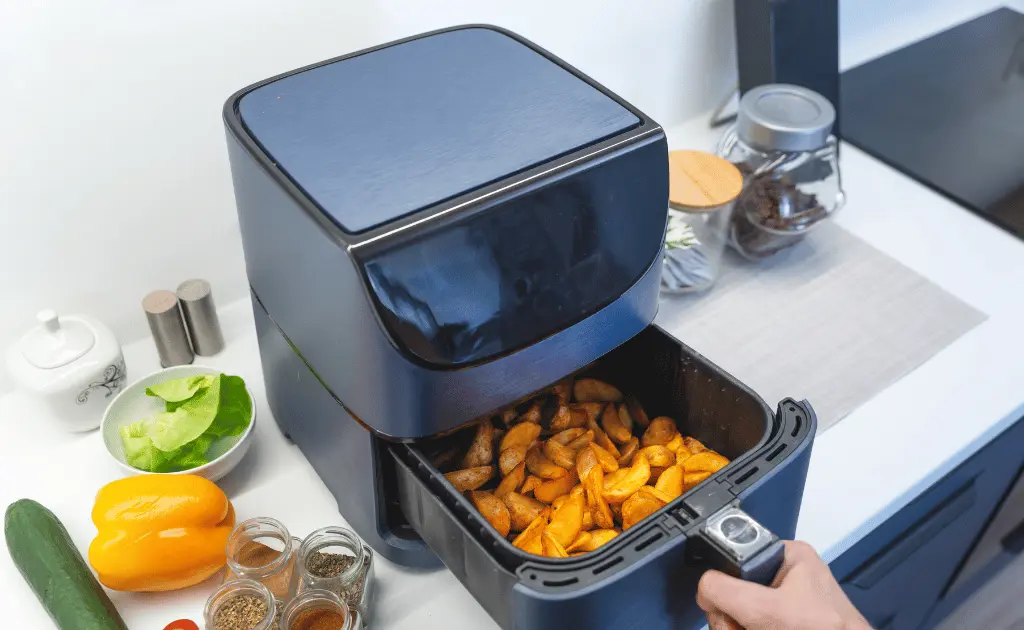
Step 2: Start With Core Home Kitchen Essentials
Once you understand your real usage, the next step in this kitchen appliances guide is focusing on basics.
Every home has core home kitchen essentials. Your kitchen appliance checklist should always begin there — not with fancy upgrades.
Start with what you truly cannot function without:
A refrigerator.
A microwave or oven.
A cooktop or stove.
A blender or mixer.
An electric kettle or coffee maker.
These form the backbone of daily cooking.
Only after these are sorted should you think about upgrades. An air fryer is great, yes. A food processor saves time. A rice cooker adds convenience. A dishwasher reduces effort.
But they are additions, not foundations.
When following a proper kitchen appliances guide, always prioritize appliances you’ll use weekly. Not occasionally. Not “maybe someday.” Weekly.
That small shift in thinking changes everything.
Have a look on these specially chosen cookware and bakeware products.
Comparison Table: Popular Kitchen Appliances Overview
Here’s a simple comparison to help you think clearly before buying kitchen appliances.
| Appliance | Best For | Ideal Family Size | Budget Range | Space Needed |
|---|---|---|---|---|
| Air Fryer | Healthy quick meals | 2–5 people | $$ | Medium |
| Pressure Cooker | Fast cooking | 3–6 people | $$ | Medium |
| Blender | Smoothies & sauces | 1–4 people | $ | Small |
| Microwave | Reheating & baking | All | $$ | Medium |
| Food Processor | Chopping & slicing | 2–6 people | $$ | Medium |
👉Have a look on this beautiful Blender, choosed for you.
Step 3: Think About Kitchen Size
One thing this kitchen appliances guide keeps reminding you is that online photos can be misleading.
Modern kitchens shown in ads look wide, bright, almost unrealistic. The countertops are endless. The appliances sit perfectly spaced. But real homes are different. Real kitchens have corners, limited sockets, and cabinets that don’t magically expand.
Before choosing the best kitchen appliances, take a measuring tape and check three things carefully.
Counter width.
Cabinet depth.
Available plug points.
You’d be surprised how many people skip this and regret it later.
A microwave that sticks out awkwardly. A stand mixer that doesn’t fit under cabinets. An air fryer that blocks half the workspace. These small miscalculations turn daily cooking into daily irritation.
If you have a small kitchen, your strategy should be different. Stackable appliances make sense. Multi-function cookers reduce clutter. Compact microwaves free up counter space. In smaller homes, every appliance must earn its place.
This is where following a structured kitchen appliances guide helps. It forces you to think practically, not emotionally.
Now, if you’re lucky enough to have a spacious kitchen, you have more flexibility. Larger layouts can comfortably handle stand mixers, double ovens, or full-size dishwashers. Bigger families often benefit from these.
But even in large kitchens, smart placement matters. Good space planning improves workflow. Cooking feels smoother when appliances are positioned logically.
Space planning is not just interior design. It’s a key part of buying kitchen appliances wisely.
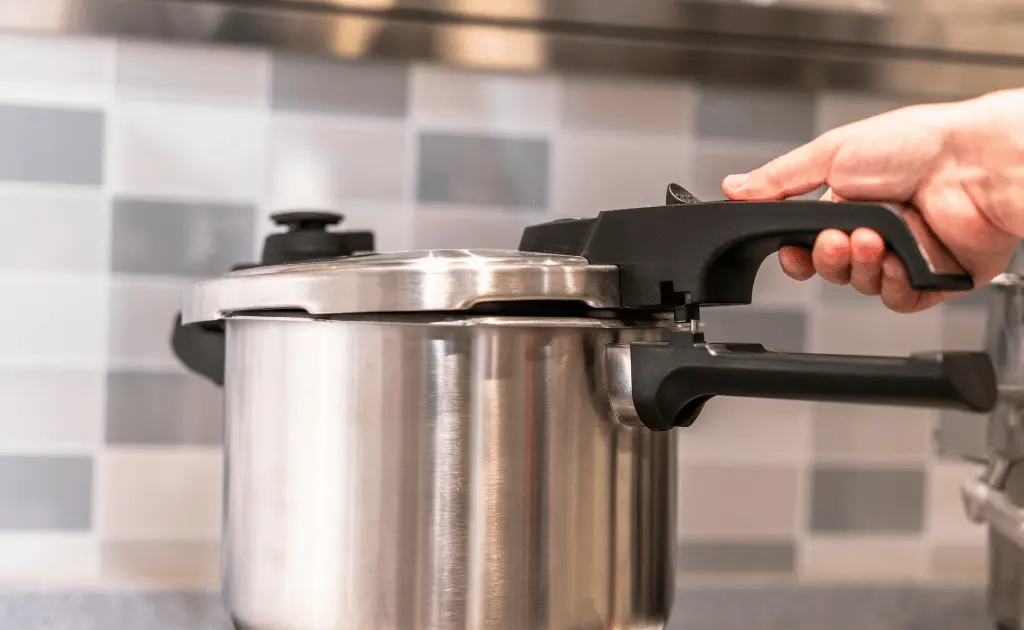
Step 4: Energy Efficiency Matters More Than You Think
Here’s something people rarely consider until the bill arrives.
Electricity costs add up quickly.
When choosing appliances using this kitchen appliances guide, always check energy details. Look beyond design and features.
Pay attention to energy ratings.
Check wattage.
See if the appliance includes auto shut-off features.
Energy-efficient modern kitchen appliances might feel slightly expensive upfront. But over time, they quietly save money. Especially if you cook daily or use multiple appliances at once.
Lower wattage doesn’t always mean weak performance. It often means smarter engineering.
Buying kitchen appliances without checking power consumption is like buying a car without asking about fuel efficiency. It works, yes. But it costs more in the long run.
And a smart home kitchen isn’t just about convenience. It’s about sustainability too.
This kitchen appliances guide always recommends thinking long term. Not just about cooking today, but about running your home efficiently for years.
Step 5: Budget Smartly (Not Cheaply)
One of the most important lessons in this kitchen appliances guide is understanding the difference between budget-friendly and just cheap.
They are not the same thing.
Cheap appliances may look attractive at first. The price tag feels good. You think you saved money. But a few months later, the problems begin. Uneven heating. Strange noises. Buttons that stop responding. And sometimes, complete breakdown.
In the end, you spend more replacing it.
When buying the best kitchen appliances, smart budgeting means thinking long-term. A slightly higher upfront cost often brings better durability, stronger materials, and reliable performance.
Cheap appliances often break faster.
They heat unevenly.
They come with limited or unclear warranties.
And warranty matters more than people realize.
Instead of choosing the lowest price, look for mid-range trusted brands. These products usually offer the best balance between cost and quality. You’re not paying for luxury branding, but you’re also not sacrificing reliability.
Another underrated tip this kitchen appliances guide suggests is reading 3-star reviews. Not just the 5-star praise. Not only the angry 1-star complaints. Three-star reviews often highlight realistic pros and cons. They tell you what works and what slightly doesn’t.
That’s where the truth usually sits.
When building your kitchen appliance checklist, think value over price. Ask yourself: will this appliance last 5 years? Does it come with proper support? Is the material solid?
Buying kitchen appliances should feel like an investment in your daily comfort.
Saving a little today shouldn’t cost you double tomorrow.
👉Have a look on this beautiful Toaster, choosed for you.
Step 6: Multi-Function Appliances Save Space
If you follow any serious kitchen appliances guide, you’ll notice one recurring recommendation — choose smarter, not more.
One of the easiest ways to simplify your kitchen appliance checklist is by choosing appliances that handle multiple tasks. Instead of filling your counters with five different machines, you pick one that does the work of two or even three.
For example, an air fryer that also works as a toaster oven. A pressure cooker that doubles as a slow cooker. A blender that includes food processor attachments.
These combinations are not just marketing tricks. In many homes, they genuinely reduce clutter.
And clutter in the kitchen does something strange to your mood. It makes cooking feel chaotic. It takes longer to clean. It limits prep space. Especially in apartments or compact homes, every appliance competes for breathing room.
Multi-function modern kitchen appliances are practical because they adapt to real life. You can air fry vegetables tonight and toast bread tomorrow without moving anything around. You can pressure cook beans in 20 minutes or slow cook stew for hours in the same pot.
This approach fits perfectly within a thoughtful kitchen appliances guide because it prioritizes space efficiency and budget control at the same time.
Instead of buying separate machines for every cooking method, you invest in versatility.
And honestly, less clutter means less stress. When your counters are clearer, cooking feels lighter. Cleanup feels faster. Even mornings feel calmer.
That’s something people don’t talk about enough.
Step 7: Don’t Ignore Noise Levels
Here’s something rarely discussed in a typical kitchen appliances guide — noise.
It sounds minor. Until it isn’t.
A powerful blender that wakes up the whole house at 6 AM. A mixer that sounds like construction work. A food processor that makes conversation impossible.
These small frustrations build up.
When choosing the best kitchen appliances, check decibel ratings if available. Many brands list them now. If they don’t, read customer reviews carefully. People are very honest about noise in reviews.
Look for comments like “surprisingly quiet” or “louder than expected.” These little phrases reveal more than product descriptions ever will.
Noise matters even more in apartments or shared living spaces. Thin walls make everything louder.
This detail may seem small in your kitchen appliance checklist, but trust me, it changes daily comfort more than you expect.
Step 8: Safety Features Are Important
No kitchen appliances guide would be complete without discussing safety.
Appliances generate heat. They use electricity. Some spin blades at high speed. Safety isn’t optional — it’s essential.
When buying kitchen appliances, check for features like auto shut-off. This prevents overheating or accidental burning if you forget to turn something off.
Cool-touch handles reduce burn risk. Non-slip bases keep mixers or blenders stable during operation. Overheat protection extends appliance life and prevents hazards.
If you have children at home, these features become even more critical. Curious hands move fast. And accidents happen faster.
Choosing modern kitchen appliances with proper safety features gives peace of mind. You shouldn’t feel nervous every time you cook.
The right appliance doesn’t just cook well. It protects your home too.
And that’s something this kitchen appliances guide will always emphasize — comfort, efficiency, and safety working together.
Kitchen Appliance Checklist for New Buyers
If you’re setting up from zero, here’s a realistic kitchen appliance checklist:
✔ Refrigerator
✔ Microwave or Oven
✔ Blender
✔ Electric Kettle
✔ Cooktop
✔ Basic cookware set
Optional upgrades:
✔ Air Fryer
✔ Rice Cooker
✔ Food Processor
✔ Dishwasher
(Insert internal link to: Complete Kitchen Essentials Checklist for New Homeowners)
Common Mistakes When Buying Kitchen Appliances
- Buying too large appliances
- Ignoring warranty
- Choosing based only on price
- Not checking return policy
- Forgetting to measure space
A good kitchen appliances guide prevents these mistakes.

How to Compare the Best Kitchen Appliances Online
When comparing:
- Check star ratings (4.2+ is ideal)
- Read negative reviews first
- Look at product dimensions
- Compare power consumption
Then narrow down to 2–3 options.
Don’t compare 15 products. That leads to confusion.
FAQs
1. What are the most essential kitchen appliances?
Refrigerator, microwave or oven, blender, and cooktop are the most important home kitchen essentials.
2. How do I choose the best kitchen appliances?
Follow a structured kitchen appliances guide: evaluate space, family size, budget, and energy efficiency.
3. Are expensive kitchen appliances worth it?
Not always. Mid-range appliances often offer the best balance between price and durability.
4. How often should kitchen appliances be replaced?
Most last 5–10 years depending on usage and maintenance.
5. Should I buy appliances in a bundle?
Bundles can save money but check quality individually before deciding.
Final Thoughts
Choosing appliances doesn’t have to feel stressful.
If you follow this kitchen appliances guide step by step, you’ll avoid overspending and avoid regret.
Focus on:
- Real needs
- Proper size
- Energy efficiency
- Long-term value
Your kitchen doesn’t need everything. It just needs the right things.
And once you choose wisely, cooking becomes easier. A little faster. A little more enjoyable.
That’s the goal.