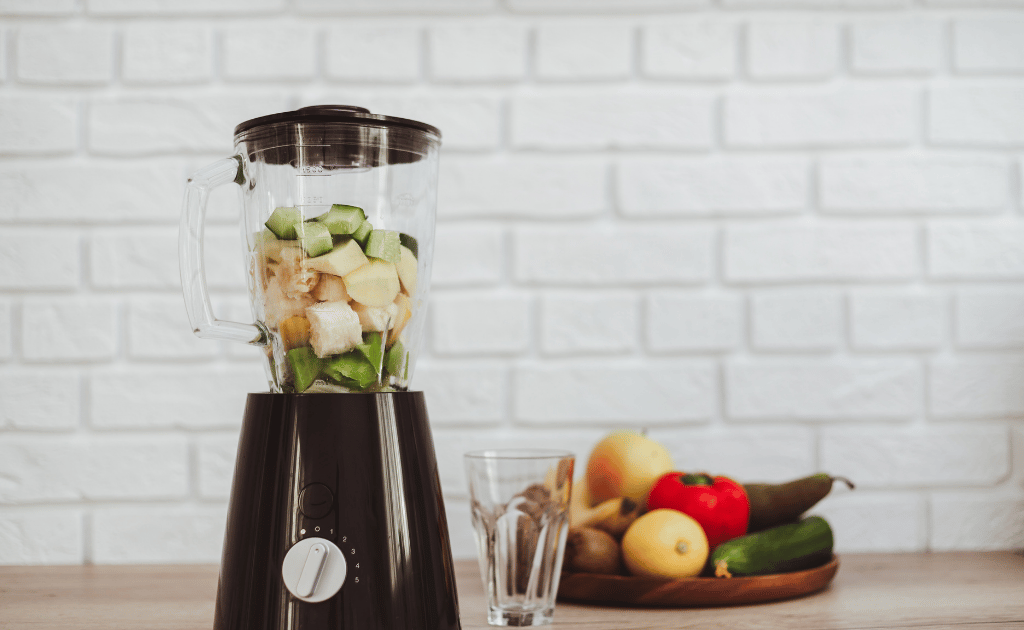

Best blender for smoothies and protein shakes is something a lot of people search for after one frustrating morning in the kitchen.
You know the moment.
You toss frozen bananas, protein powder, some milk, maybe a few ice cubes into the blender. Press the button and wait for that creamy smoothie you saw online.
Instead the machine struggles.
Ice chunks stay floating around. Protein powder sticks to the sides. And the blender sounds like it might explode any second.
I remember this happening to me years ago with a cheap blender I bought on sale. It worked fine for soft fruit, but the moment frozen strawberries entered the jar, everything went wrong.
That’s when I realized something simple.
Not every blender is built for smoothies.
Choosing the best blender for smoothies and protein shakes at home requires a little more attention than most people think. Power, blade design, jar size, and even motor speed make a difference.
And once you find the right one, making smoothies becomes ridiculously easy.
So in this guide we’ll talk about how to choose the right blender, what features actually matter, and which types of machines work best for daily smoothies and protein shakes.
Why Smoothies Need a Powerful Blender
Smoothies look simple. Just blend fruit and liquids, right?
Well… not always.
Many smoothie recipes include ingredients that are surprisingly tough.
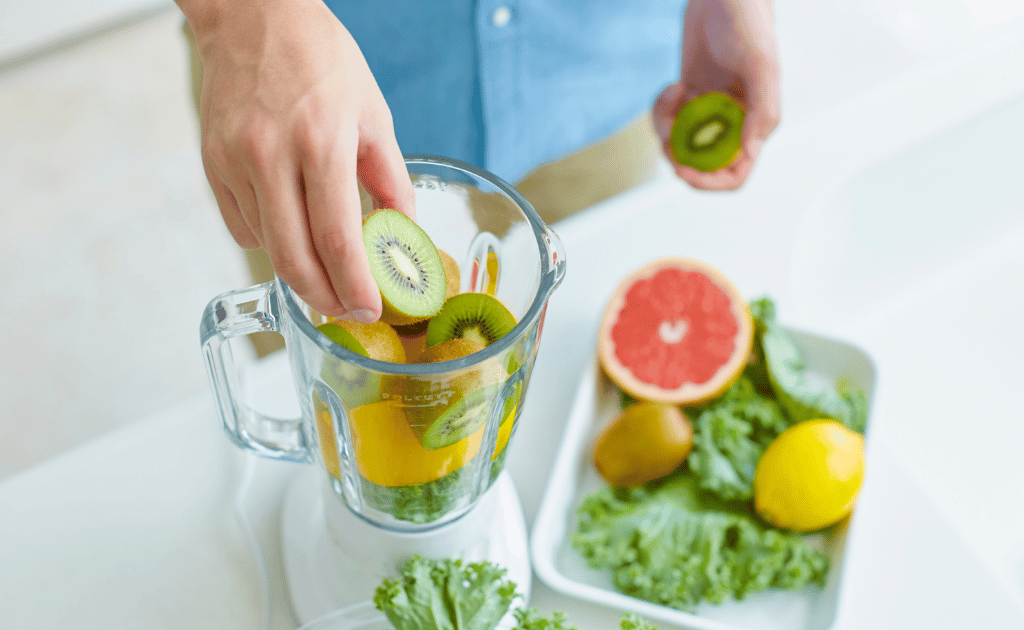
Frozen fruit. Ice cubes. Nuts. Protein powder. Sometimes even oats or seeds.
A weak blender struggles with these.
That’s why the best blender for smoothies and protein shakes usually has a stronger motor and sharper blades.
The stronger the motor, the easier it is to break down frozen ingredients.
And when everything blends smoothly, the texture becomes creamy instead of chunky.
Quick Comparison of Popular Blender Types
| Blender Type | Power | Best Use | Ideal For |
|---|---|---|---|
| Personal Blender | 600–900W | Quick smoothies | One person |
| Countertop Blender | 1000–1500W | Daily smoothies | Families |
| High-Performance Blender | 1500W+ | Ice, nuts, frozen fruit | Serious smoothie lovers |
See best rated smoothie blender
Personal Blenders vs Full Size Blenders
Many people start with a small personal blender.
And honestly, for simple smoothies they work pretty well.
You blend directly in a small cup, then take the cup with you.
This is great for quick breakfasts.
But when you start using frozen fruit or thicker ingredients, personal blenders sometimes struggle.
A full-size countertop blender usually has more power.
Which is why the best blender for protein shakes and ice often belongs to this category.
The extra motor strength helps break down frozen foods without leaving chunks behind.
Motor Power Matters More Than You Think
Motor power is measured in watts.
This number tells you how strong the blender is.
For smoothies, anything under 500 watts tends to struggle.
A high power blender for frozen fruit smoothies usually sits somewhere between 900 and 1500 watts.
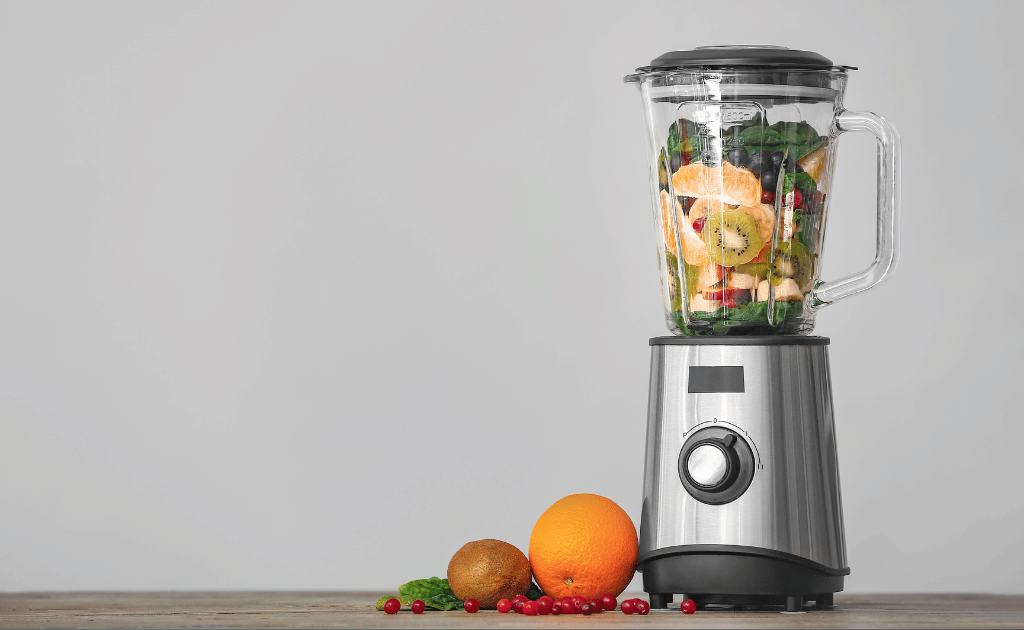
The stronger motor creates a powerful vortex inside the jar.
This pulls ingredients toward the blades and blends them evenly.
If you like thick smoothies with frozen fruit, a stronger motor makes a huge difference.
Blade Design Is Just As Important
Most people focus only on motor power.
But blade design also matters.
The best blender for smoothies and protein shakes usually includes stainless steel blades angled in multiple directions.
This helps pull ingredients down instead of letting them spin around the jar.
Some high-end blenders even create a cyclone motion that blends everything evenly.
Cheap blenders often have dull or flat blades.
That’s when smoothies end up lumpy.
Jar Size and Material
Blender jars come in different sizes.
A personal blender may hold 20 ounces. A family blender might hold 64 ounces or more.
If you only make one smoothie each morning, a smaller jar is perfectly fine.
But if you blend for two or three people, a larger jar becomes much more convenient.
Material also matters.
Plastic jars are lighter and harder to break.
Glass jars feel heavier but resist stains and odors better.
Many smoothie lovers prefer BPA-free plastic jars because they’re easier to handle.
You may also like our guide on Complete Kitchen Essentials Checklist for New Homeowners
Noise Levels
Blenders are not quiet appliances.
Especially powerful ones.
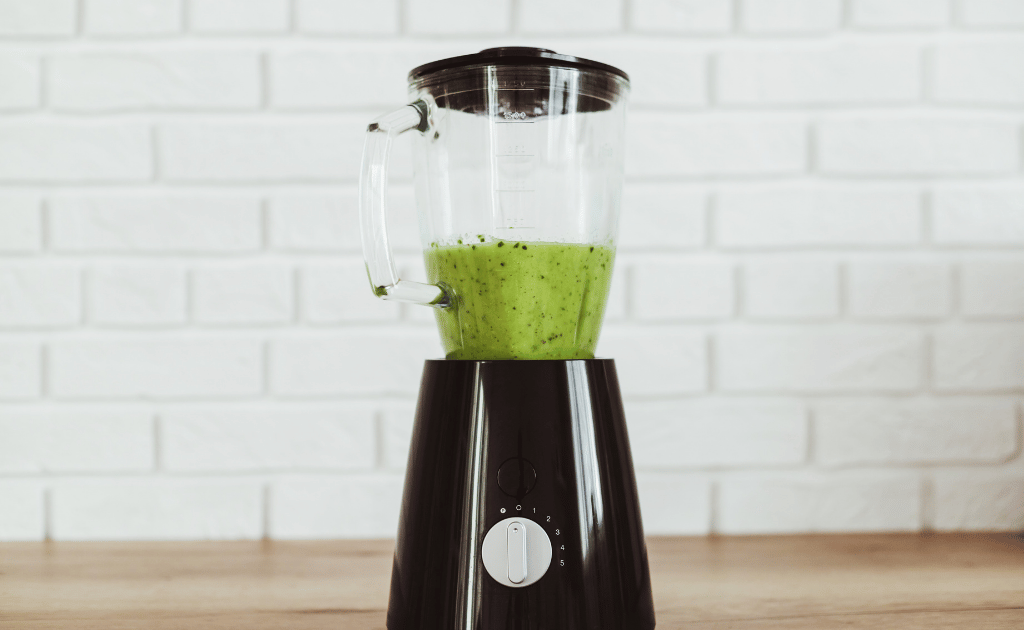
The best blender for smoothies and protein shakes at home often runs louder than basic models because the motor works harder.
Some premium blenders include noise reduction designs.
But realistically, any blender strong enough to crush ice will make some noise.
Morning smoothie lovers sometimes run the blender quickly to avoid waking the whole house.
Best Blender Features for Smoothies
| Feature | Why It Matters |
|---|---|
| Pulse Mode | Helps crush ice gradually |
| Variable Speed | Better texture control |
| Smoothie Program | Automatic blending cycle |
| Dishwasher Safe Jar | Easier cleaning |
Check price of this smoothie blender
Ice and Frozen Fruit Performance
Frozen fruit is where weak blenders fail.
You’ve probably seen it happen.
The blades spin but the ingredients stay stuck on top.
That’s why a high power blender for frozen fruit smoothies is often recommended for daily smoothie drinkers.
A strong blender pulls ingredients down and blends them evenly.
Frozen strawberries, mango chunks, even ice cubes become smooth quickly.
And the texture feels much more like something from a smoothie bar.
Cleaning the Blender
Cleaning is one of those things people don’t think about until after they start using the blender daily.
Luckily most modern blenders are easy to clean.
Many jars are dishwasher safe.
Another trick many smoothie fans use is the quick rinse method.
Add warm water and a drop of dish soap, then run the blender for 20 seconds.
The blades clean themselves.
That’s one small reason the best blender for smoothies and protein shakes often becomes a daily kitchen habit.
Best Smoothie Ingredients to Blend
| Ingredient | Result |
|---|---|
| Frozen bananas | Creamy texture |
| Frozen berries | Sweet flavor |
| Protein powder | Muscle recovery |
| Greek yogurt | Thick smoothies |
| Almond milk | Smooth consistency |
Common Blender Mistakes
One mistake many beginners make is adding ingredients in the wrong order.
Liquids should go first.
Then soft ingredients.
Frozen ingredients should go last.
This helps the blender pull everything toward the blades.
Another mistake is overfilling the jar.
Even the best blender for smoothies and protein shakes at home needs space for ingredients to circulate.
Without room, blending becomes uneven.
You may also like our guide on Must Have Kitchen Gadgets That Make Cooking Easier
Frequently Asked Questions
What watt blender is best for smoothies?
For smoothies, a blender between 900 and 1500 watts works best.
Can a blender crush ice for protein shakes?
Yes, but only stronger models designed as the best blender for protein shakes and ice handle ice easily.
Do expensive blenders make better smoothies?
Often they do. Stronger motors and better blades create smoother textures.
How long should you blend a smoothie?
Usually 30 to 60 seconds depending on the ingredients.
Can you make protein shakes in any blender?
Technically yes, but weaker blenders may leave powder clumps or uneven texture.
Final Thoughts
Choosing the best blender for smoothies and protein shakes isn’t really about finding the most expensive machine.
It’s about finding one that fits how you actually use it.
If you blend once in a while, a small personal blender may work just fine.
But if smoothies are part of your daily routine, investing in a stronger machine makes mornings easier.
Frozen fruit blends faster.
Protein shakes come out smoother.
And instead of fighting with the blender every morning, you simply press a button and enjoy the drink.
That small difference turns smoothies from an occasional treat into a regular habit.
And honestly, once you experience a truly smooth smoothie, it’s very hard to go back.