
Moving into your first home is exciting. The new space feels like endless possibilities. But then reality hits — you open the kitchen cabinets, and they’re empty. There’s no cookware. No utensils. Not even a proper cutting board.
This is where a complete kitchen essentials checklist becomes invaluable. It helps new homeowners know exactly what they need for a fully functional kitchen — without overspending or missing key items.
Think of this guide as your friendly roadmap. It walks you through every corner of your kitchen, from prep tools to cooking essentials, appliances, and storage solutions.
Whether you’re a beginner cook or someone who loves experimenting, this checklist ensures you start your home cooking journey with confidence.
Why Every New Homeowner Needs a Checklist
Moving into your first home is exciting, but it can also be overwhelming. There are boxes to unpack, bills to set up, furniture to arrange, and groceries to stock. Amid all of that, cooking often gets pushed to the back burner with thoughts like, “I’ll figure it out later.”
But the truth is, a well-equipped kitchen changes everything. A kitchen that’s organized, stocked, and ready for action can make daily life easier and more enjoyable. Imagine trying to prepare a pasta dinner without a pot large enough to boil the noodles or trying to chop vegetables with a dull knife. Frustration sets in quickly, and the cooking process that should be fun starts feeling like a chore.
This is exactly why a complete kitchen essentials checklist is so valuable for new homeowners. It ensures you have everything you need from day one. No more running to the store for a single missing item in the middle of cooking. No more improvising with mismatched pots, pans, or utensils. A checklist saves time, reduces stress, and gives you confidence in your kitchen setup.
By starting with the basics, you avoid unnecessary purchases and focus on items you’ll actually use daily. It’s about efficiency and functionality rather than buying everything that looks good on Instagram or in a catalog. Over time, your kitchen will grow naturally, with upgrades and additional tools added as your cooking skills develop.
Core Cookware Every Kitchen Needs
When setting up a kitchen from scratch, the right cookware forms the backbone of your home cooking. Without quality pots and pans, even the simplest recipes can turn stressful. A complete kitchen essentials checklist for new homeowners should always start with core cookware. These are the items you’ll reach for every day — the tools that make cooking easier, faster, and more enjoyable.
Frying Pans and Skillets
A frying pan is the most essential piece of cookware in any kitchen. It’s the true workhorse, handling everything from breakfast eggs to dinner stir-fries. For beginners, nonstick pans are ideal. They’re forgiving, clean up easily, and require less oil for cooking. You can experiment with different recipes without worrying about food sticking or burning.
For more experienced cooks, stainless steel or cast iron pans are excellent investments. These materials offer durability and even heat distribution, which is perfect for searing, browning, or pan-frying like a professional. Cast iron, in particular, retains heat incredibly well, making it ideal for slow-cooked meals or weekend cooking sessions.
Frying pans are versatile. They handle pancakes, omelets, sautéed vegetables, stir-fries, and even meat searing. A 10–12 inch pan is generally the sweet spot — large enough for most meals, but not so big that it dominates your stovetop. With a reliable skillet, you’ll find yourself cooking multiple dishes in a single day without constantly swapping pans.
Shop Best Rated Frying Pans
Saucepans and Stockpots
Next, every kitchen needs saucepans and stockpots. These pieces are essential for boiling, simmering, and preparing soups, sauces, grains, and pasta. A 1–2 quart saucepan is perfect for heating sauces, cooking rice, or making small portions for one or two people. It’s compact, manageable, and ideal for everyday use.
On the other hand, a 6–8 quart stockpot is indispensable for larger meals. It’s perfect for boiling pasta, preparing soups, stews, or even making stock from scratch. Initially, it might seem bulky, but once you start hosting friends or cooking for family, this pot becomes your go-to tool.
High-quality saucepans and stockpots also reduce common cooking frustrations. Cheaper cookware often warps, sticks, or heats unevenly, making simple recipes feel complicated. Investing in durable pieces ensures that sauces simmer evenly and soups cook perfectly, every single time.
Baking Essentials
Even if baking isn’t your favorite activity, a few key baking tools are critical in a complete kitchen setup. Baking sheets, muffin tins, casserole dishes, and oven-safe glass or ceramic bakeware aren’t just for desserts—they’re versatile tools that make weeknight meals easier.
Baking sheets are perfect for roasting vegetables, reheating leftovers, or cooking sheet-pan dinners. Muffin tins can do more than muffins—they’re great for portioning eggs, meatballs, mini frittatas, or even organizing small servings of ingredients while prepping.
Casserole dishes and oven-safe bakeware allow you to prepare one-dish meals that save time and reduce cleanup. Roasted chicken, vegetable gratins, lasagna, or even simple baked pasta dishes can all be made in these pieces. Having a small but functional collection of baking essentials ensures you can tackle almost any recipe without improvising or using unsuitable alternatives.
Explore Top Baking Sets
Choosing the Right Material
When selecting cookware, the material matters. Nonstick is great for beginners and everyday cooking. Stainless steel offers durability and professional-level searing. Cast iron excels for heat retention and slow cooking. Mixing a few materials gives flexibility. For example, a nonstick skillet for eggs, a stainless steel saucepan for sauces, and a cast iron pan for weekend cooking ensures you’re ready for anything.
Tips for New Homeowners
- Start small and add more cookware gradually. Don’t buy 10 different pans at once.
- Invest in quality over quantity. A few durable pieces outperform multiple cheap ones.
- Consider multi-purpose items like a deep skillet that doubles as a sauté pan.
- Stackable bakeware or nesting saucepans save cabinet space.
The right cookware makes a huge difference in your cooking experience. With these must-have kitchen essentials, your kitchen becomes functional, efficient, and ready for any meal — from simple breakfasts to elaborate dinners.

Shop Complete Core Cookware Sets
A complete kitchen essentials checklist doesn’t need to overwhelm new homeowners with dozens of items. Starting with these core cookware pieces — frying pans, saucepans, stockpots, and basic baking essentials — gives you a solid foundation. Once these essentials are in place, it becomes easier to add specialized tools and appliances that match your cooking style.
This approach prevents unnecessary spending, maximizes efficiency, and makes your kitchen ready for daily cooking from day one. Over time, you’ll notice that meals feel simpler, preparation is smoother, and the kitchen becomes a space you enjoy spending time in, not just a room to store appliances.
Must-Have Kitchen Utensils and Appliances
Cutting Tools
Every kitchen starts with the right cutting tools. A sharp chef’s knife is the backbone of any home cook’s arsenal. It makes chopping vegetables, slicing meat, and dicing herbs much easier. Pair it with a paring knife for smaller tasks and a serrated knife for bread or tomatoes, and you’re set for almost any recipe.
Other essential cutting tools include sturdy cutting boards. Bamboo boards are durable and gentle on knives, while plastic boards are easy to clean and lightweight. A vegetable peeler is another small but indispensable tool — think peeling potatoes, carrots, or zucchini. And don’t forget kitchen shears; they’re surprisingly handy for trimming herbs, cutting pizza, or even opening packages.
Affiliate placeholder: Buy Chef Knife Sets
Measuring and Mixing Essentials
Accurate cooking starts with proper measurement. Measuring cups and spoons ensure your ingredients are precise, which is especially important for baking. Mixing bowls of different sizes make prep easier — large ones for tossing salads, medium for marinating, and small for whisking sauces.
Wooden spoons remain classics because they don’t scratch your cookware, while silicone spatulas are flexible enough to scrape every bit of batter from a bowl. These small, practical tools make cooking smoother and less frustrating, especially for new homeowners building a functional kitchen from scratch.
A Must Read: Best Cookware Sets for Every Type of Home Cook
Essential Appliances for Daily Use
No kitchen is complete without reliable appliances. A dependable refrigerator tops the list. Not only does it store your groceries safely, but choosing an energy-efficient model can also save money on electricity bills in the long run. Consider features like adjustable shelves, crispers, and freezer compartments when selecting a fridge for your new home.
A microwave is another must-have. It’s not just for reheating leftovers; it’s perfect for quick meals, defrosting frozen foods, or even steaming vegetables in a pinch. Even a small countertop microwave can make life so much easier.
A blender or food processor is incredibly versatile. From smoothies and sauces to chopping nuts or preparing soups, these appliances reduce prep time significantly. Multi-function blenders or food processors save both counter space and money, making them ideal for new homeowners who want efficiency without clutter.
Coffee lovers will appreciate a coffee maker or electric kettle. Morning routines are easier when you can brew fresh coffee or boil water quickly for tea. These simple appliances elevate everyday kitchen functionality and comfort.
Best Kitchen Guide: Kitchen Appliances Guide: How to Choose the Right Ones
Putting It All Together
When setting up your first kitchen, focus on quality over quantity. Having a few reliable cutting tools, accurate measuring devices, and essential appliances is far better than having a drawer full of items you rarely use. This approach not only saves money but also ensures your new homeowners kitchen list works for real life, not just theory.
With these utensils and appliances in place, you can cook efficiently, organize better, and enjoy your new home kitchen without stress. Each tool or appliance has its role, and when chosen thoughtfully, they transform everyday cooking from a chore into a pleasurable routine.
Kitchen Storage Solutions
Pantry Organization
- Airtight containers for grains, pasta, and snacks
- Stackable shelves for vertical space
- Clear bins to categorize items
Cabinet Organization
- Pull-out baskets for deep shelves
- Lazy Susans for corner cabinets
- Drawer dividers for utensils
Refrigerator & Freezer Storage
- Stackable bins
- Freezer-safe containers
- Labeling system for leftovers
Cleaning and Safety Essentials
Cleaning Supplies
- Dish soap and sponges
- Scrub brushes
- Microfiber cloths
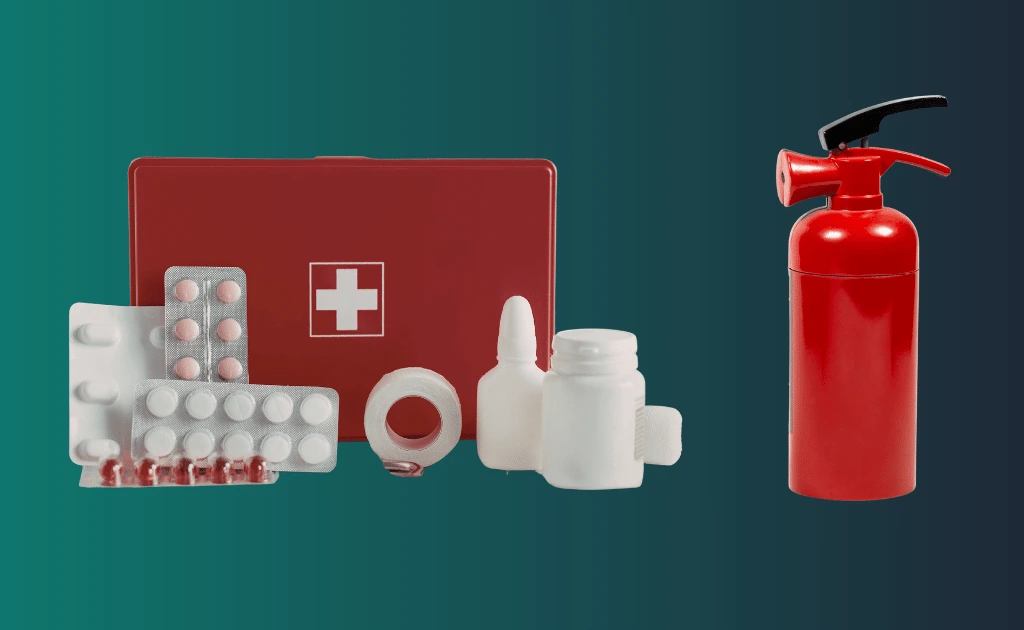
Safety Essentials
- Oven mitts and potholders
- Fire extinguisher
- First aid kit
Optional Upgrades for Convenience
Once the basics are in place, consider:
- Air fryer for quick meals
- Instant pot or pressure cooker
- Stand mixer for baking enthusiasts
- Rice cooker for easy meal prep
These upgrades aren’t required but make daily life smoother.
Comparison : Core vs Optional Items
| Item Type | Essential | Optional Upgrade | Notes | Price Range |
|---|---|---|---|---|
| Frying Pan | 10–12 inch nonstick | Cast iron skillet | Daily use | $–$$ |
| Saucepan | 1–2 quart | Multi-size set | Sauces & soups | $–$$ |
| Baking | Baking sheets | Casserole dishes | Baking & roasting | $–$$ |
| Appliances | Refrigerator, microwave | Air fryer, Instant Pot | Daily convenience | $$–$$$ |
| Storage | Airtight containers | Pull-out baskets | Organization | $–$$ |
Tips for New Homeowners
- Start with essentials, upgrade later.
- Prioritize multi-function items to save space.
- Use vertical and wall space for storage.
- Label containers to reduce food waste.
- Keep frequently used items accessible.
FAQ
What is the minimum cookware set for new homeowners?
A frying pan, saucepan, stockpot, and baking sheet cover most basic cooking needs.
Should I buy nonstick or stainless steel cookware first?
Nonstick is beginner-friendly. Stainless steel offers durability for long-term use.
How do I organize pantry items efficiently?
Use clear containers, stackable shelves, and group similar items together.
What small appliances are essential for a new kitchen?
Microwave, blender, coffee maker, and refrigerator are must-haves.
How do I avoid overbuying kitchen tools?
Follow the kitchen tools for beginners checklist to get the basics first before adding extras.
Final Thoughts
A complete kitchen essentials checklist isn’t about creating a perfect, showroom-style kitchen. It’s about setting up a functional space where cooking is easier, more enjoyable, and far less stressful. For new homeowners, this is crucial — an organized kitchen saves time, reduces frustration, and makes daily meals feel effortless.
Start with the basics first: a few quality pots, pans, utensils, and essential appliances. Once you have the core items, gradually add storage solutions, specialty tools, and extra appliances that make sense for your cooking style. Organize intentionally, using zones, drawers, and shelves effectively. Every small improvement compounds over time, transforming a cluttered, awkward kitchen into a smooth-running space.
When your kitchen has the right tools, smart storage, and a logical workflow, cooking becomes less of a chore and more of a joy. You’ll notice the difference in how easily meals come together, how quickly cleanup happens, and how much more confident you feel experimenting with recipes. Every new homeowner deserves this kind of peace of mind — a kitchen that works for them, not against them, from day one.